
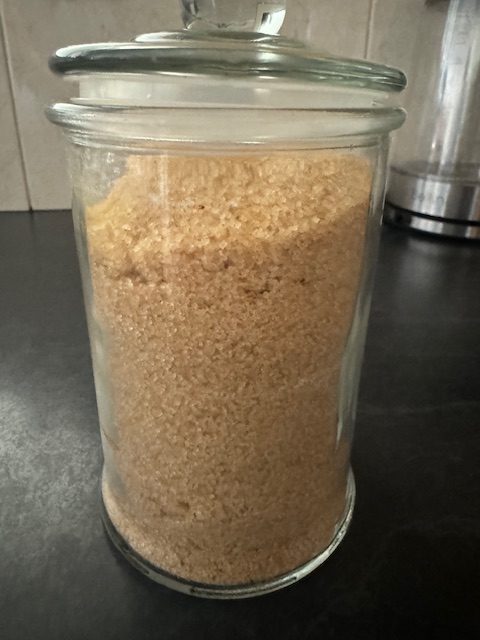
Sugar Nearly Destroyed My Health — And I Didn’t Even Realise It
For years, I honestly thought I was doing everything right.
I was in the gym seven days a week. No excuses. No shortcuts. I trained hard, sometimes brutally hard, and I expected the weight to come off. Instead, nothing really changed. Some weeks I’d drop a little, then other weeks I’d put it straight back on. At times, I actually gained weight.
That ” REEEALLY ” messes with your FKNG head.
You start questioning your discipline. You assume it’s age, a slow metabolism, or genetics. Or that this is just how life works once you’re past a certain point. What I wasn’t questioning was my diet, because in my mind, exercise was the key. Food was secondary.
That belief nearly cost me my health.
Training Every Day and Getting Nowhere
Back then, my thinking was simple:
Train harder = lose weight.
So I trained harder. But my body didn’t respond the way it should have. The fat around my waist wouldn’t move. My energy was flat. I felt inflamed more often than not. Looking back now, the signs were obvious — I just didn’t understand what was causing them. I was burning myself out trying to outrun a problem that lived in my diet.
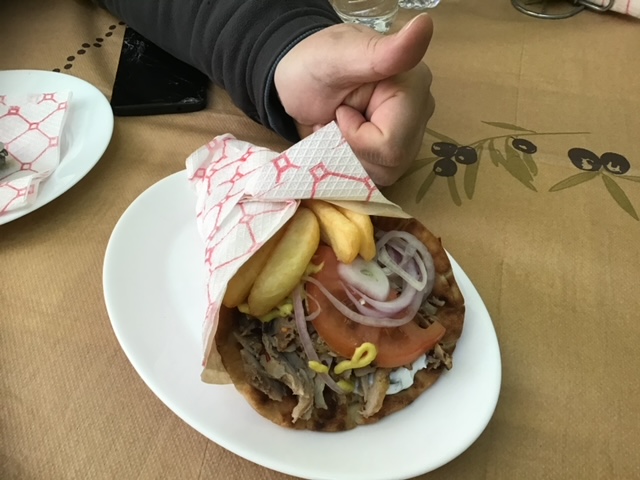

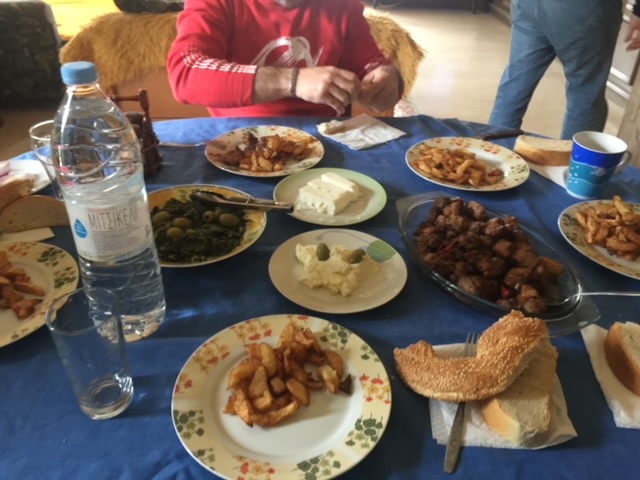

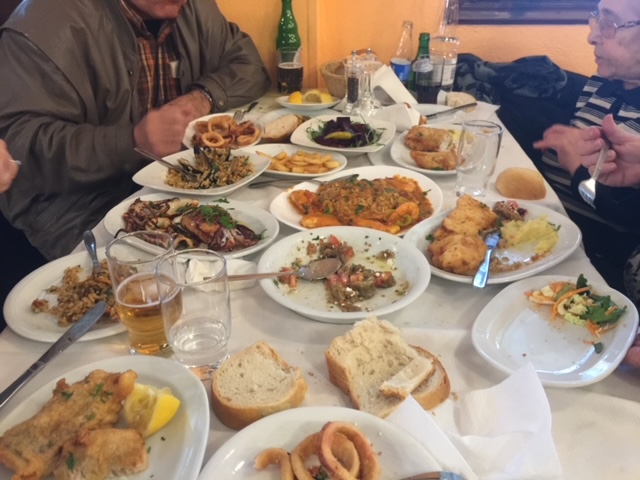
The Greece Moment That Made No Sense
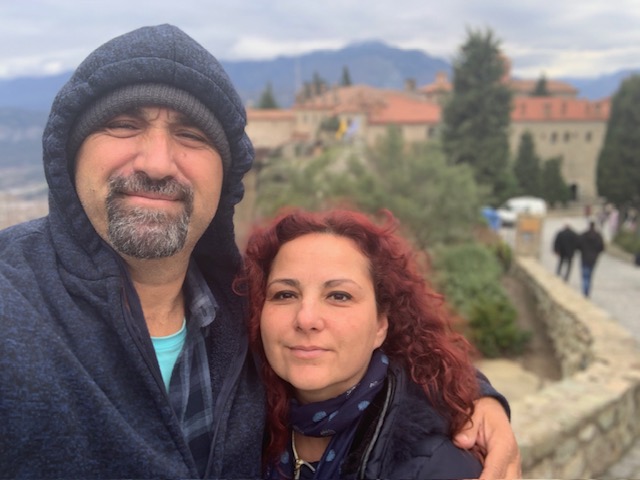
Then I went to Greece.
I wasn’t dieting. I wasn’t tracking calories. I ate out every day — bread, meat, seafood, olive oil, desserts ( sparingly ) — and I didn’t hold back. I wasn’t even training. I was just walking. Walking through villages, along coastlines, up hills, down streets. And the weight came off. Effortlessly. The other thing was also, everybody there does not seem to have an obesity issue.
Yet, in Western Sydney, you look around, and all you see are behemoths with three calf fat rolls overhanging their ankles, who carry their arses on the front as well just barely getting around. That’s when everything stopped making sense.
How could I eat freely overseas and lose weight, yet train like hell in Australia and still carry fat?
When I came back, it got worse. I’d have one coffee and feel like my weight jumped overnight. My body reacted completely differently here.
That’s when I started paying attention.
When Your Body Starts Warning You
Not long after, I noticed swelling around my right ankle. Fluid retention. That’s not normal. I also couldn’t get rid of the tyre around my waist, no matter how much cardio I did. I felt constantly inflamed, flat, and low on energy.
My body was warning me.
At the time, I didn’t know whether it was my liver, my heart, or something else — but I knew it wasn’t right.
The Sugar Problem No One Talks About Properly
The deeper I looked, the clearer it became. The problem wasn’t exercise. It was sugar — and not just the obvious kind. In Australia, sugar is hidden everywhere. Bread, rice, pasta, cereals, sauces, packaged foods that pretend to be healthy. Then there are the sneaky ones — maltodextrin, modified starches, “natural flavours.”
All of them spike blood sugar, overload the liver, and push the body into fat storage. What a ” con job “. Is it any wonder why there are so many fat bastards walking around in English-speaking countries?
That’s when I started asking the obvious question:
Why is this stuff even allowed in food?
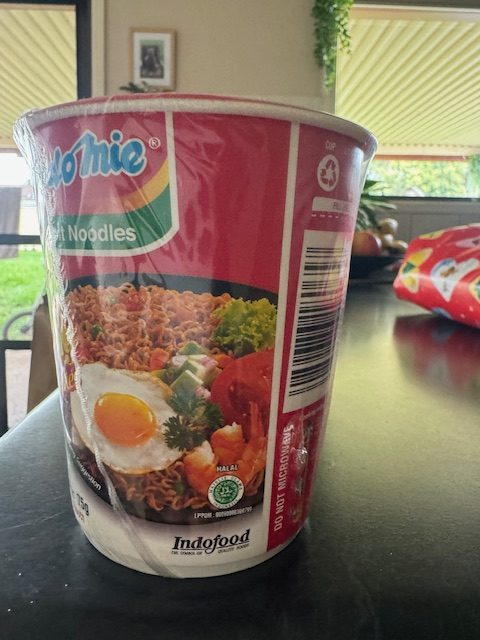
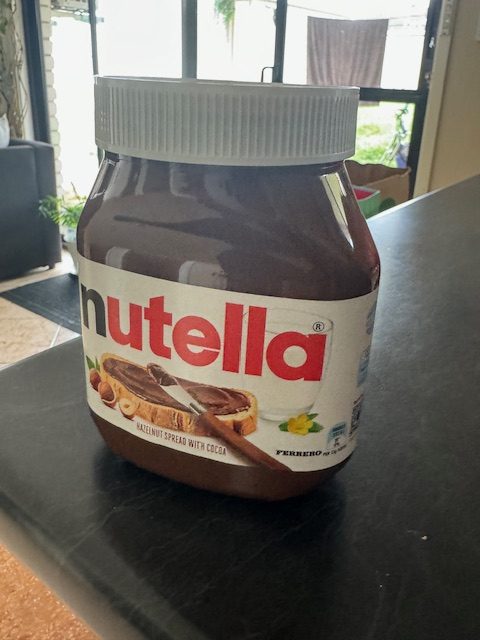
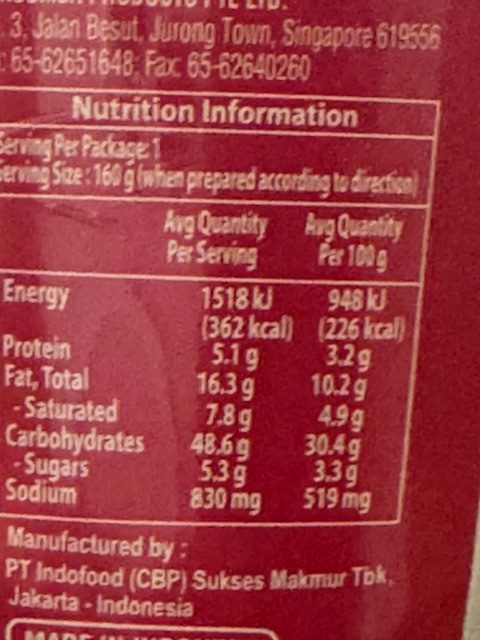
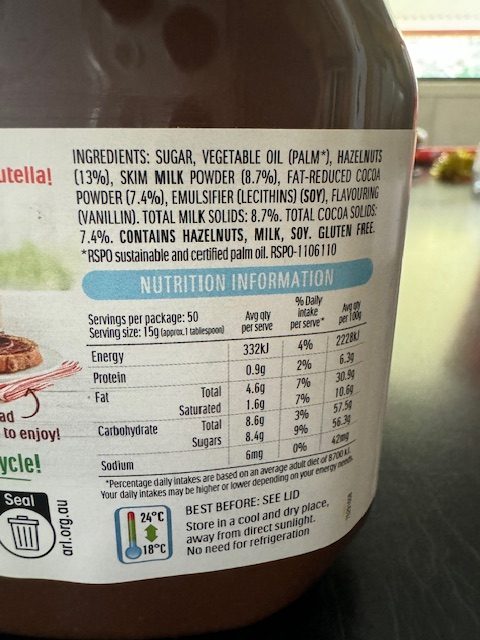
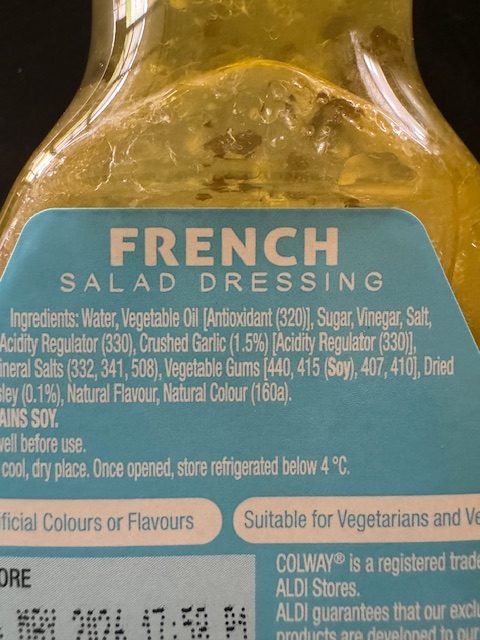
Just Look At Some Of The Contents In These Every Day Items In Your Pantry Below
You could eat this ” health destroying toxic rubbish ” just marginally through the week together with whatever you eat outside and you would be wondering why you are getting fat….” Damn, I don’t eat much, why am I getting fat “…because you’re eating sugar nonstop is why. Just look the carbs in the noodles, nearly 50 Grams and nearly 1000 mg of sodium. Now these are just the last of the products in our pantry and I don’t even eat Nutella, mo son does.
Having said that, Nutellas is also marketed overseas, but nobody pays attention shit like that overseas. They eat healthily. Not flavoured sugar out of the jar. Now how it goes, you have some bacon eggs in the morning with some bread, a couple coffees through to lunch with sugar, then you might have a noodle soup because you want to diet and not eat so much, and then in the afternoon you might have a salad with some dressing, and you figure, a Nutella spread won’t kill you.
At the end of the week, you’ve put on another two damn kilos and you are wondering WTF ! is going on? What is going is that you are eating sugar all day long, and that doesn’t include the carbohydrates either.

Why Food in Greece Doesn’t Break You
The difference between Greece and Australia isn’t willpower — it’s food quality. In Greece, food isn’t stripped of its minerals and rebuilt with chemicals. The soil is healthier.
Vegetables actually contain nutrients. Animals eat proper feed, not engineered rubbish. When humans eat those animals, the nutrition flows through. Here, much of our food is sprayed, genetically modified, frozen for months, and stored until it looks fresh but is nutritionally empty. The soil is depleted, so the food is depleted — and our bodies pay the price.
That’s when it clicked.
You can’t out-train bad food.
The First Changes That Actually Worked
I started experimenting. First, I replaced sugar with honey. That helped a bit. I wasn’t gaining weight as easily, but I still didn’t feel right. Then I made a bigger change. I cut out sugar everywhere I could find it, except where I didn’t know how to avoid it, milk, cereals, bread, pasta, and rice. I killed the carbs. No more wheat or oats. I stopped eating food that came in boxes and packets. Instead, I focused on vegetables, fruit, fish, salmon, chicken, and eggs.
Nothing fancy. Just real food. The difference was immediate. Weight started moving. My energy came back. The inflammation somewhat eased. For the first time in years, my body felt like it was working with me, not against me.
The Bigger Picture I Couldn’t Ignore
As I kept learning, a bigger picture formed. Three things had quietly been destroying my health:
- Sugar is hidden in everyday food.
- Living disconnected from the natural world.
- A medical system that treats symptoms instead of causes.
I don’t hate doctors, but I don’t trust a system that profits from lifelong illness. Sugar creates inflammation. Inflammation creates disease. Disease creates customers.
Once I understood that, I knew controlling sugar would fix almost everything I was dealing with — weight gain, blurry vision, joint pain, swelling, fatigue. EEEEEVERYTHING, especially when I learned about prolonged fasting.
The Turning Point That Tied It All Together
In mid-2025, I came across two doctors who genuinely opened my eyes — Dr Eric Berg and Dr Peter Glidden, particularly around sugar, inflammation, and the wider role Big Pharma plays in keeping people sick rather than healthy. For the first time, everything I’d already learned finally connected.
It wasn’t just about sugar anymore. It was about what happens inside the body when insulin stays high, the liver is constantly overloaded, and inflammation never really switches off. That’s when fasting entered the picture properly for me — not as a trend or a challenge, but as a tool.
I started slowly, then worked my way into longer fasts. What shocked me was how effortless the weight loss became. There was no grinding, no punishment, no constant hunger. The body just started letting go of fat on its own. Honestly, it felt like my body was finally saying, “Thank you — I needed this.”
Then something else happened that really got my attention.
The swelling that had lingered around my ankle completely disappeared. The soreness I’d been carrying for years faded away. Even the blurry vision that had started to feel permanent was gone. It wasn’t gradual either — it was clear and unmistakable. My body wasn’t just reacting anymore. It was healing.
Prolonged fasting — two to three days at a time, and occasionally a little longer — turned out to be the final piece. It gave my system a break. It allowed inflammation to settle, insulin to reset, and the liver to finally do what it’s meant to do without being constantly hammered by sugar.
That’s when I knew this was never about willpower or discipline. Once the right conditions were in place, the body took care of the rest on its own.
Final Thoughts
Looking back now, the problem was never effort. I was doing more than enough. The real issue was what I was putting into my body every single day without questioning it. Once sugar was under control, everything else fell into place — weight, energy, inflammation, even things I didn’t realise were connected at the time.
If you’re training hard, eating what you think is “normal,” and still going backwards, it’s worth questioning the food — not your discipline. That single shift completely changed my health. It’s the difference between gripping a handrail and inching up the stairs, versus bolting up them at a railway station when you’re about to miss the train. Diet matters.
This also matters more as men get older, especially when it comes to inflammation-driven issues like prostate health. I’ve broken that side of it down properly here if you want to go deeper.
What Worked for Me (Not Advice — Just Experience)
For anyone curious, these were the changes that made the biggest difference for me personally:
Removing sugar wherever possible
Fasting regularly, including longer fasts when appropriate
Simplifying meals instead of eating constantly
Paying attention to recovery, not just effort
Everyone’s situation is different, but understanding sugar was the turning point I needed.
Finally, thank you for visiting what is going to soon be one of the best men’s health sites on the web as this grows. If you have questions, feel free to reach out:
Frequently Asked Questions
Why can’t I lose weight even though I exercise regularly?
Because exercise alone can’t overcome constant insulin spikes from sugar and refined carbs. That was exactly my problem. I trained hard, often daily, but my body stayed in storage mode until I fixed what I was eating.
Is sugar really the main reason weight loss stalls?
In my experience, yes. Sugar — including hidden sugar and refined carbs — keeps insulin high, stresses the liver, and drives inflammation. Once sugar was under control, weight loss stopped being a battle.
Why did I lose weight easily overseas but not at home?
ood quality matters more than people realise. Overseas, especially in places like Greece, food is less processed, more nutrient-dense, and easier on the body. Back home, ultra-processed food and hidden sugars made the same eating habits work against me.
How does fasting help with weight loss?
Fasting gave my body a break from constant digestion and insulin spikes. Once insulin dropped, fat loss happened naturally. I wasn’t forcing it — my body finally had the right conditions to let go of weight.
Is prolonged fasting safe?
I’m not giving medical advice — I’m sharing what worked for me. Longer fasts (two to three days) were a turning point in my health, but anyone considering fasting should educate themselves and listen to their body.
Can sugar cause swelling and blurry vision?
For me, it absolutely did. The ankle swelling, inflammation, and blurry vision disappeared once sugar was removed and fasting was introduced. Those symptoms were signs my system was under constant stress.
Does sugar affect men differently as they age?
Yes, especially when it comes to inflammation, metabolism, and hormone balance. That’s why understanding sugar matters even more for men over 40, including its impact on prostate health and overall wellbeing.
What’s the biggest mistake people make when trying to lose weight?
Blaming themselves instead of questioning the food. I thought I needed more discipline. In reality, I needed less sugar. Once I fixed that, everything else followed.